ESP RainMaker Neo
ESP RainMaker Neo is a serverless IoT platform for ESP32-based devices. It gives you all three pieces of a connected product — the firmware that runs on the device, the cloud service that connects devices to the people using them, and the phone app they use — running in your own AWS account, built from managed AWS services so there is no server for you to operate. The name will be familiar if you have used ESP RainMaker before.
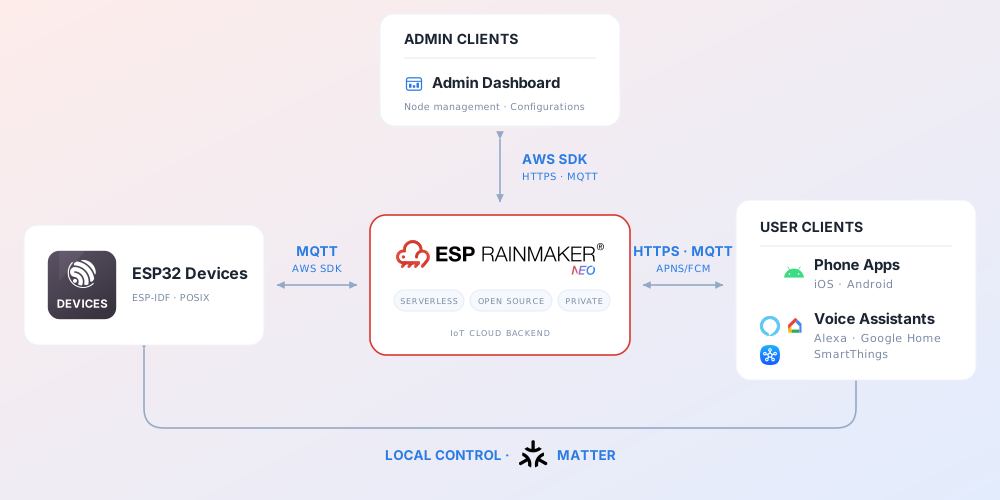
Components
- Firmware — the C SDK you embed in device firmware. One source tree builds as an ESP-IDF component for ESP32 silicon and as a POSIX library for development without hardware. This is the piece that runs on your product (a lightbulb, fan, refrigerator) and requests remote services from the cloud backend or is accessed locally through the phone apps.
- Cloud Backend — the cloud backend that binds it together. It authenticates devices and users, and carries state in both directions. It exposes all of the functionality over REST or MQTT. It also deploys the Admin Dashboard that you can use to manage your fleet of devices.
- Phone Apps — The iOS and Android phone apps that the users of your products interact with, to configure the device and access its features either in the local network, or remotely through the Cloud Backend.
- Admin Dashboard — the web console your team uses to run the fleet: look up nodes, group them, generate and register device credentials, and roll out firmware. It is deployed by the Cloud Backend rather than installed separately, and it is for your operators rather than for the people using your product.
- API Reference — interactive REST (Cloud + User) and AsyncAPI (Node MQTT + User MQTT) documentation, generated from the source specifications.
What this section covers
The rest of Product Overview is the platform-level material that cuts across the pieces above. Read it here once rather than three times.